“The most powerful influence is often not changing what people believe, but in changing what they never think to question.”
Introduction
Social media has become a defining feature of modern life, shaping how people communicate, access information, and engage with politics. It promises a more democratic world, one in which every user can share opinions, join public debates, and influence events, all at the click of a button. For many, these platforms create a sense of direct participation in the democratic process.
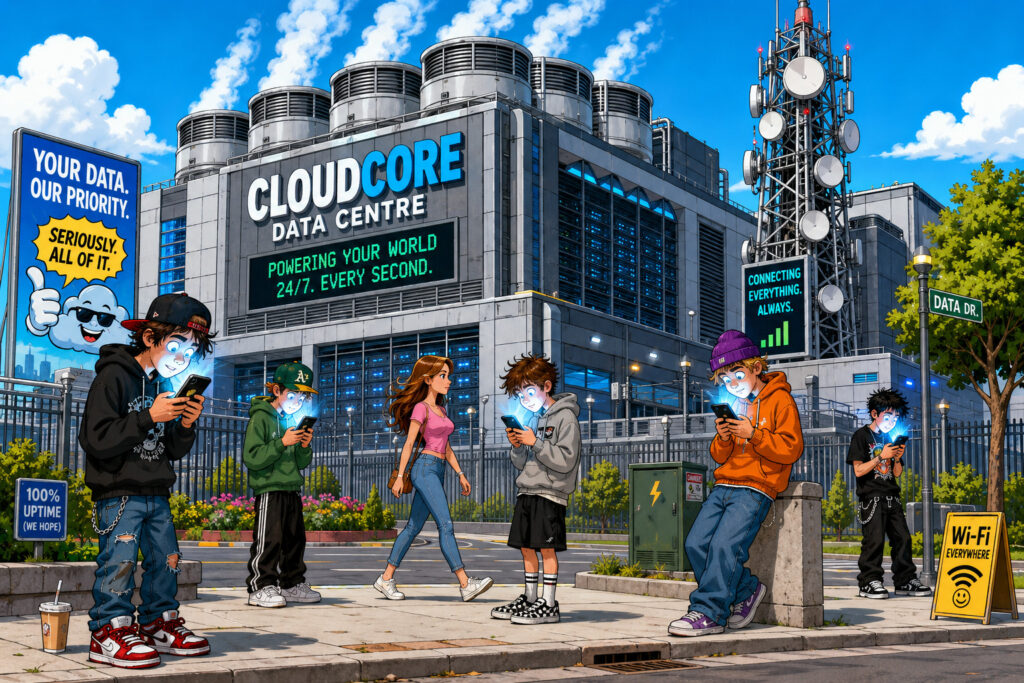
Yet this sense of empowerment can be misleading. Behind the scenes, algorithms, data collection, targeted messaging, and coordinated influence campaigns shape what users see, think, and discuss. While social media appears to expand democratic participation, it also creates new opportunities for manipulation by corporations, political actors, governments, intelligence agencies, advocacy groups, foreign powers and the platform owners themselves.
This article examines how social media can be used to influence public opinion in ways that are often hidden from those being influenced, revealing the tension between the promise of digital democracy and the realities of digital control.